

Solar Off-Grid Systems: The Complete Guide for Bangalore Homes and Businesses
Renewable energy harnessed from solar power offers a sustainable and eco-friendly solution to meet the worlds.
Solar Off-Grid Systems: The Complete Guide for Bangalore Homes and Businesses
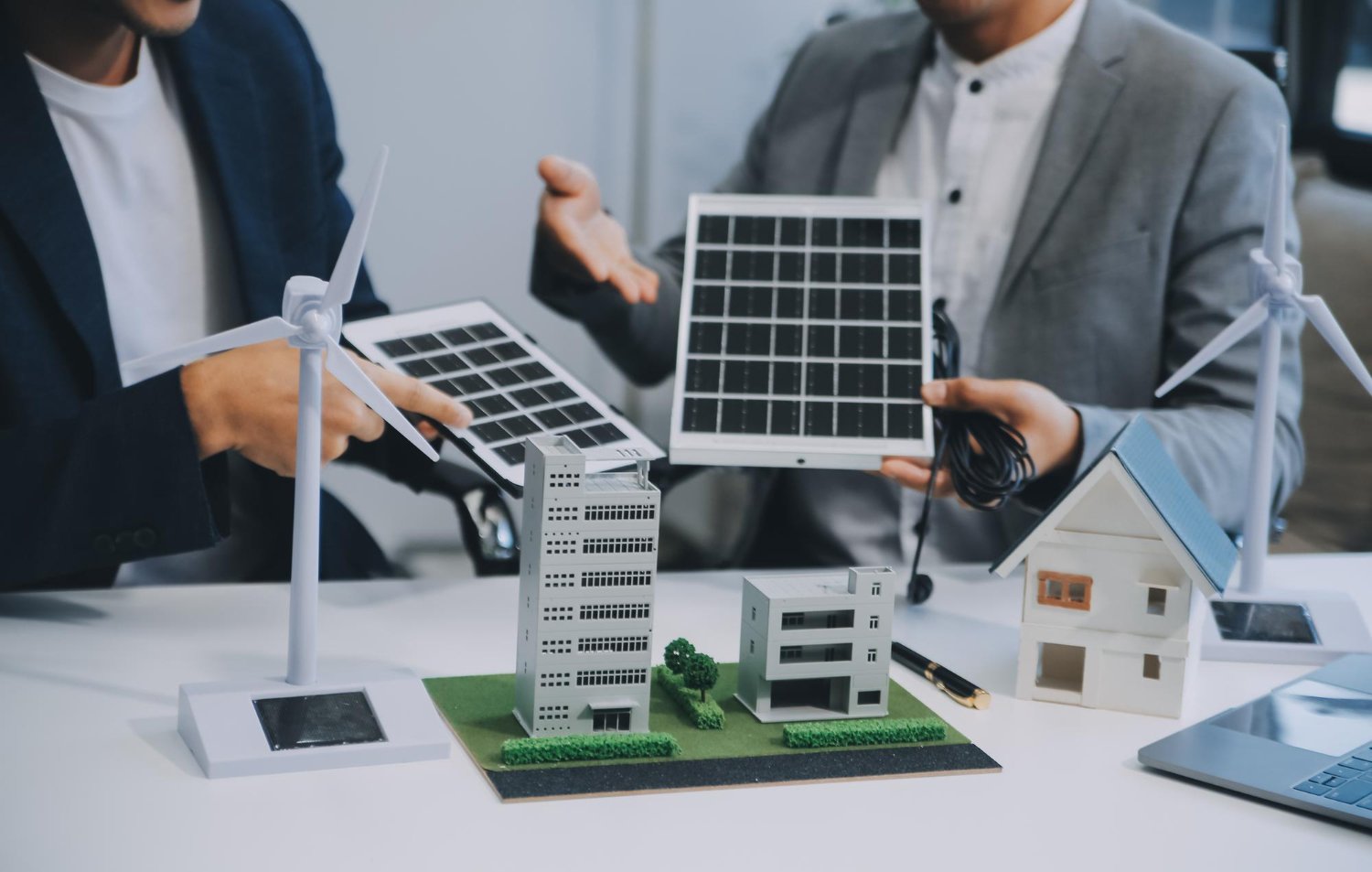
Power cuts, rising electricity tariffs, and an unreliable grid in certain pockets of Bangalore have pushed more homeowners and businesses to ask the same question: what if we didn’t need the grid at all? That’s exactly what an off-grid solar system delivers — complete independence from utility power, backed entirely by the sun and battery storage.
At Vikrant Solar, we’ve spent over 12 years designing and installing solar solutions across Bangalore, and off-grid systems remain one of the most misunderstood — yet most valuable — options available today. Here’s everything you need to know before you invest.
What Is a Solar Off-Grid System?
An off-grid solar system is a self-contained power setup that generates, stores, and supplies electricity without any connection to the utility grid. Unlike on-grid systems that rely on net metering to export excess power, an off-grid system stores surplus energy in batteries for use at night or during cloudy days.
The core components include:
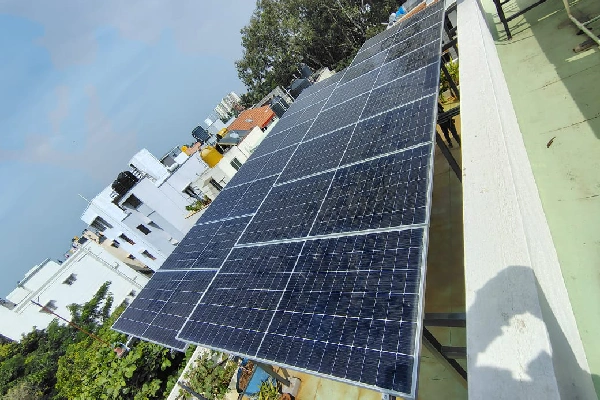
- Solar panels – capture sunlight and convert it into DC electricity
- Charge controller – regulates the power flowing into the battery to prevent overcharging
- Battery bank – stores energy for use when the sun isn’t shining
- Off-grid inverter – converts stored DC power into usable AC power for your appliances
Who Actually Needs an Off-Grid System?
Off-grid solar isn’t for everyone, but for the right situation, it’s transformative:
- Remote properties – farmhouses, weekend homes, or plots on the outskirts of Bangalore where grid connections are unreliable or expensive to extend
- Businesses with critical uptime needs – clinics, server rooms, or manufacturing units that cannot tolerate downtime
- Areas with frequent, prolonged outages – neighborhoods where load-shedding or infrastructure issues cause regular disruptions
- Environmentally conscious households – those who want true energy independence, not just reduced bills
Off-Grid vs On-Grid vs Hybrid: Where Does It Fit?
This is where most people get confused, so here’s a quick breakdown:
- On-grid systems are cheaper and ideal if your area has stable power, since you rely on the grid at night and can export surplus energy
- Off-grid systems cost more upfront (due to battery banks) but work independently, making them essential where grid access is poor or absent
- Hybrid systems combine both — grid connectivity plus battery backup — offering a balance of savings and reliability for most urban Bangalore homes
If your home already has a stable grid connection, a hybrid system usually makes more financial sense. Off-grid is the right call when grid access itself is the problem.
Key Benefits of Going Off-Grid
- Total independence – no dependency on grid stability or utility pricing changes
- Protection from outages – uninterrupted power regardless of what’s happening on the grid
- Long-term savings – once installed, your ongoing electricity costs drop dramatically
- Scalability – battery capacity and panel count can be expanded as your energy needs grow
- Ideal for remote sites – often cheaper than extending grid infrastructure to isolated locations
What to Consider Before Installing
- Battery type and lifespan – lithium-ion batteries cost more but last longer and need less maintenance than lead-acid alternatives
- Load assessment – an accurate calculation of your daily energy consumption determines panel and battery sizing; undersizing leads to power shortfalls
- Backup days required – how many cloudy or low-sunlight days should your battery bank cover?
- Maintenance – off-grid systems need periodic checks on battery health and charge controller performance to maintain efficiency
How Vikrant Solar Approaches Off-Grid Installations
Every off-grid project we take on starts with a detailed site assessment and load audit — because an undersized system defeats the entire purpose of going off-grid. From there, our process covers system design, component selection, professional installation, and ongoing maintenance support, so your investment keeps performing for years, not just months.
We also help you navigate financing options and understand where subsidies or loan facilities can reduce your upfront costs, making the switch more accessible than most people expect.

webhostingbaba