

On-Grid vs Off-Grid vs Hybrid Solar Systems: Which One is Right for Your Bangalore Home?
Renewable energy harnessed from solar power offers a sustainable and eco-friendly solution to meet the worlds.
On-Grid vs Off-Grid vs Hybrid Solar Systems: Which One is Right for Your Bangalore Home?
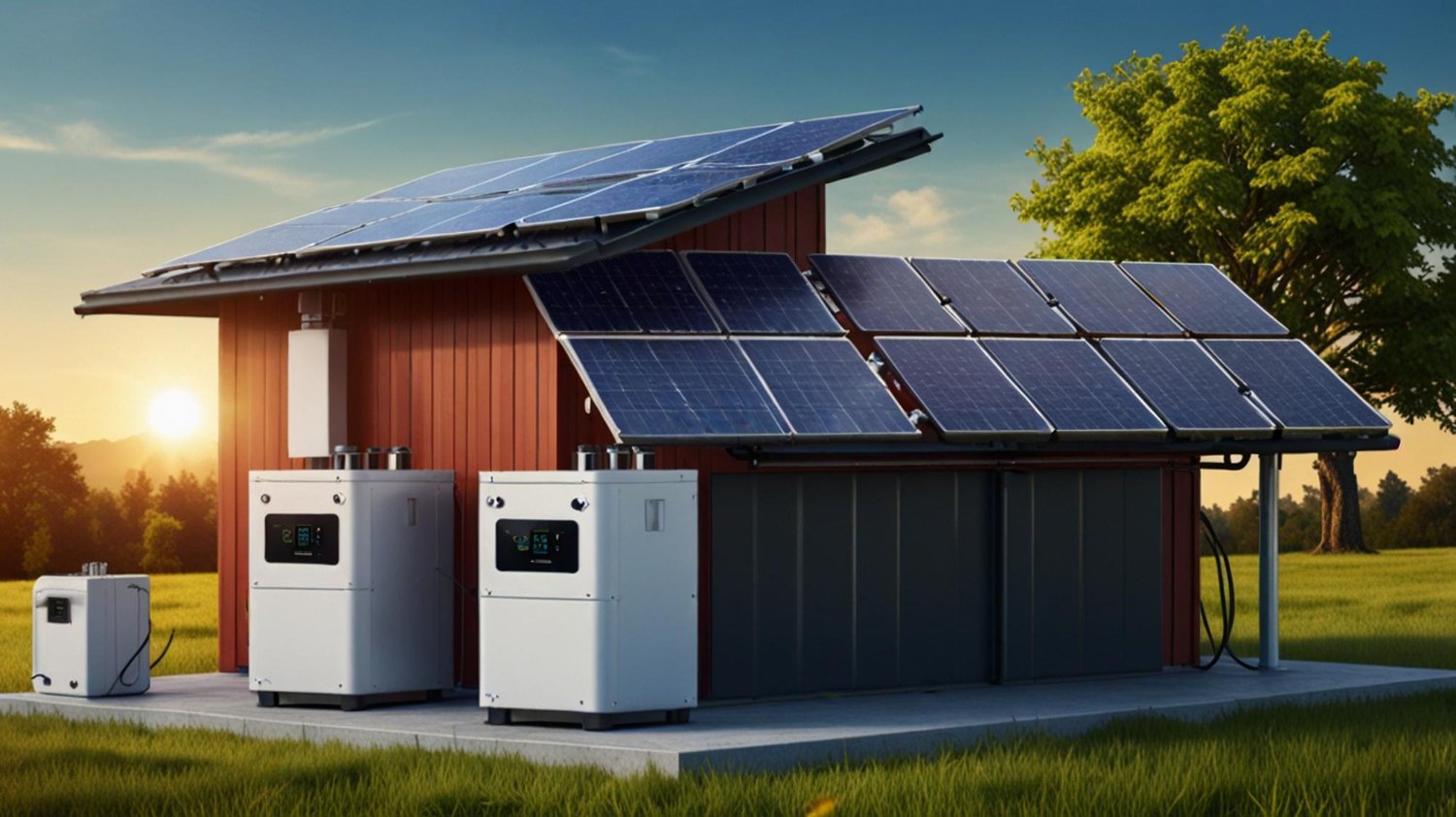
Switching to solar is one of the smartest decisions a homeowner or business in Bangalore can make in 2026 — but before you install anything, there’s one big question to answer: which type of solar system actually fits your needs?
Most people assume “solar panel” means one standard setup. In reality, there are three distinct types of solar systems, and each one is built for a different purpose, budget, and power situation. Picking the wrong one can mean overpaying for features you don’t need, or worse, ending up without power during an outage.
In this guide, we break down on-grid, off-grid, and hybrid solar systems so you can make a confident, informed choice.
1. On-Grid Solar Systems
An on-grid (or grid-tied) solar system is directly connected to your local electricity grid. It’s the most popular and affordable option for homes and businesses in urban areas like Bangalore.
How it works: Your solar panels generate power during the day. Any excess electricity you don’t use is sent back to the grid through net metering, and you earn credits that offset your electricity bill.
Best for:
- Homes and offices with reliable daytime grid supply
- People primarily looking to cut electricity bills
- Buyers who want the fastest return on investment
Pros:
- Lowest installation cost of the three options
- No batteries required, so less maintenance
- Fastest payback period, often 3–5 years
- Eligible for government solar subsidies
Cons:
- No power backup during grid outages (the system shuts off for safety)
- Savings depend on net metering policies
2. Off-Grid Solar Systems
An off-grid system operates completely independently of the electricity grid. It generates, stores, and supplies power entirely on its own using a battery bank.
How it works: Solar panels charge a battery bank during the day. Power is drawn from these batteries whenever you need it, whether it’s day or night, with zero dependence on grid electricity.
Best for:
- Remote locations with unreliable or no grid connectivity
- Farmhouses, estates, or industrial sites outside city limits
- Anyone wanting complete energy independence
Pros:
- Total independence from grid failures and power cuts
- Ideal for areas with frequent or long outages
- No electricity bill at all once installed
Cons:
- Higher upfront cost due to battery storage
- Batteries need periodic maintenance and eventual replacement
- System capacity is limited by battery size, so usage needs careful planning
3. Hybrid Solar Systems
A hybrid system combines the best of both worlds. It stays connected to the grid like an on-grid system but also includes battery backup like an off-grid system.
How it works: During the day, solar power runs your home and charges the battery. Excess power can still be exported to the grid via net metering. When the grid goes down, the battery automatically kicks in to keep your essential appliances running.
Best for:
- Homes and businesses in areas with frequent power cuts
- Anyone who wants bill savings AND backup power
- Hospitals, offices, or households running essential equipment
Pros:
- Uninterrupted power supply even during outages
- Still benefits from net metering savings
- Flexible battery sizing based on your backup needs
Cons:
- Higher cost than on-grid systems due to battery inclusion
- Slightly longer payback period than pure on-grid setups
Quick Comparison Table
| Feature | On-Grid | Off-Grid | Hybrid |
| Grid Connection | Yes | No | Yes |
| Battery Backup | No | Yes | Yes |
| Power During Outage | No | Yes | Yes |
| Installation Cost | Low | High | Medium-High |
| Net Metering Benefits | Yes | No | Yes |
| Best For | Bill savings | Remote areas | Bill savings + backup |
Which One Should You Choose?
Ask yourself these three questions:
- Does your area get regular power cuts? If yes, lean toward hybrid or off-grid.
- Is your top priority saving money on bills? On-grid gives you the fastest returns.
- Are you completely off the grid or in a remote location? Off-grid is your only real option.
For most Bangalore homes with occasional outages, a hybrid solar system offers the best balance of savings and reliability. For pure bill reduction in well-connected urban areas, on-grid remains the most cost-effective choice.
Get Expert Guidance from Vikrant Solar
Choosing between on-grid, off-grid, and hybrid systems depends on your location, power consumption, budget, and backup needs — and getting it wrong can be an expensive mistake.
With over 12 years of experience delivering solar and electrical solutions across homes, businesses, and industries, Vikrant Solar can assess your requirements and recommend the right system for your property.
We also offer:
- Rooftop Solar Systems
- Solar Water Heaters
- UPS Sales, Installation & Maintenance
- Complete Electrical Works
- Loan facilities and help with government subsidies

webhostingbaba