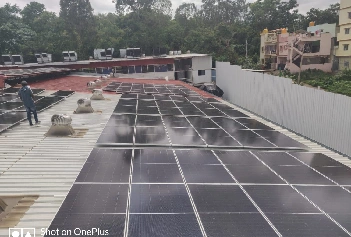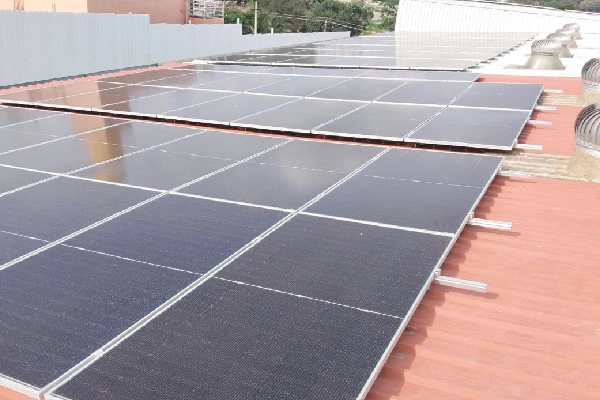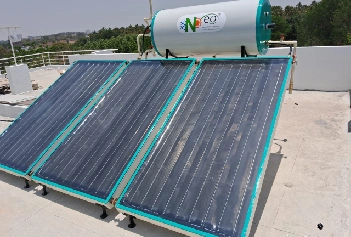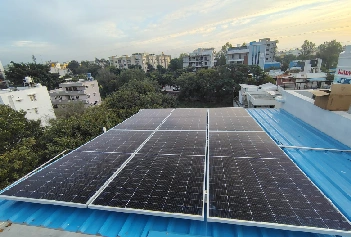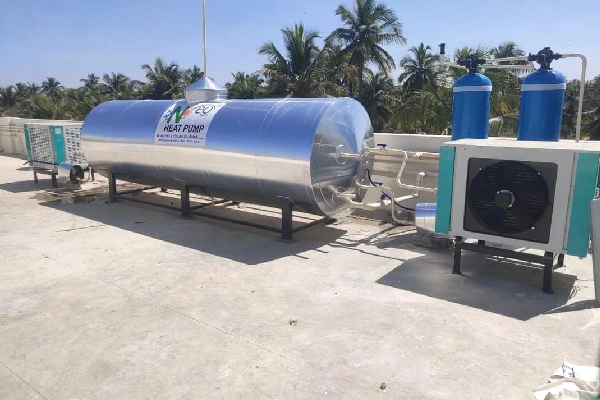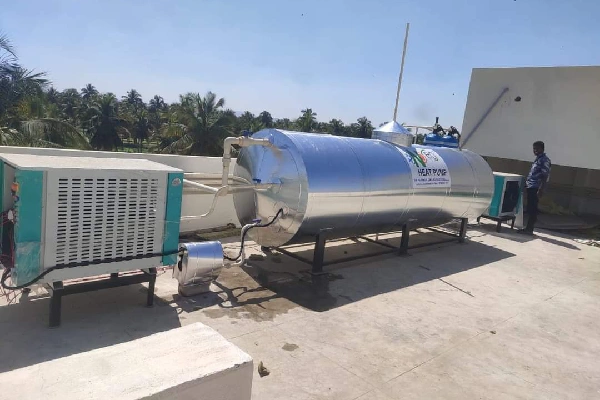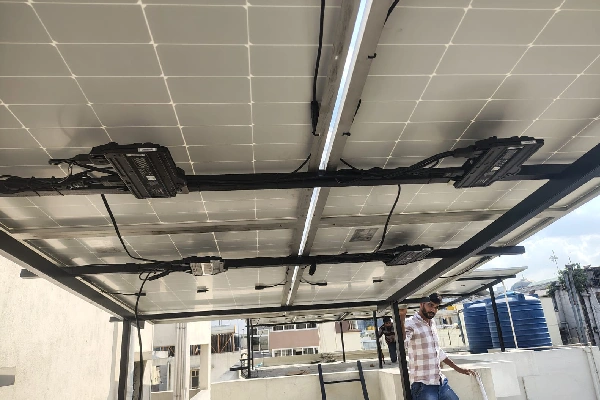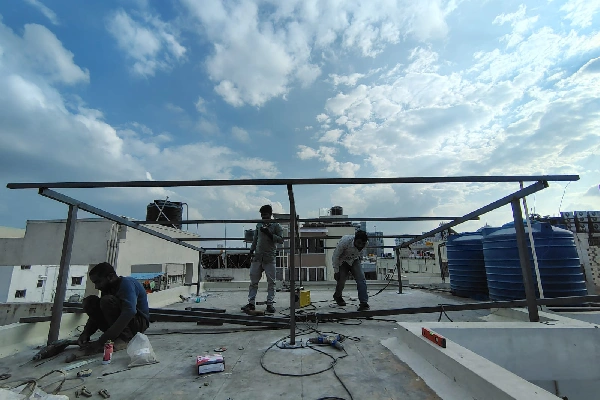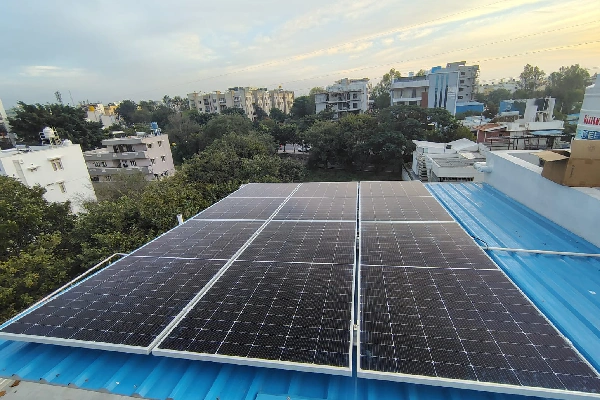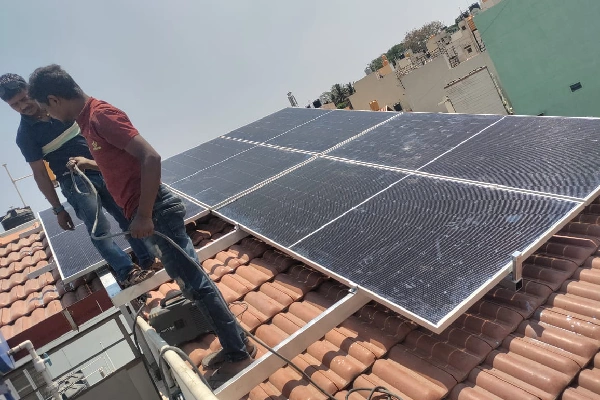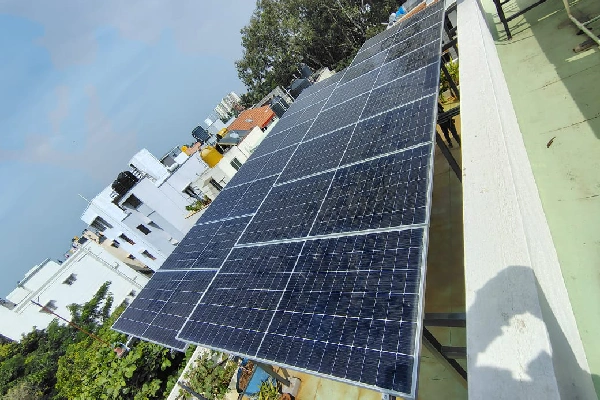
Renewable energy harnessed from solar power offers a sustainable and eco-friendly solution to meet the worlds.
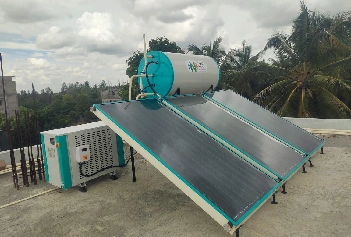
Over the past decade, India has become a global leader in solar power, and rooftop systems are driving this surge:
● As of July 2025, India surpassed 11 GW of residential rooftop solar capacity, with 4.9 GW installed in a single year under initiatives like the Pradhan Mantri Surya Ghar Yojana (PMSGY).
● Leading states—including Gujarat, Kerala, Maharashtra, and Rajasthan—now account for 77% of the country’s installed residential rooftop solar, with conversion rates above 60% in some regions due to strong vendor ecosystems and high consumer awareness.
Government incentives, technology upgrades, and greater awareness are now making solar accessible to more people than ever before.
a) Lower Electricity Bills and Higher Savings
Solar allows homes and businesses to generate their own power, reducing dependence on utility companies and slashing energy expenses—often by 50% or more for active users.
b) Return on Investment and Long-Term Gains
Typical payback periods for rooftop installations range from 3 to 5 years. After that, energy is essentially free, with savings compounding for decades.
c) Environmental Impact
Solar panels dramatically cut carbon emissions. Gujarat’s installations alone have averted over 1,500 metric tonnes of CO₂ emissions in 2024–25. Every home or office choosing solar directly supports India’s climate goals.
d) Energy Independence and Reliability
Solar rooftop systems empower users with control over their energy supply—which means fewer outages and more stability, especially for rural or industrial setups.
India’s rooftop solar industry benefits from a wave of innovation:
● High-Efficiency Panels: New designs (N-Type TOPCon, HJT) exceed 23–25% efficiency, delivering more power even with limited space.
● Smart Inverters and IoT Integration: Next-gen inverters optimize energy output and ensure seamless storage and grid management, while IoT sensors enable real-time monitoring and maintenance.
● Bifacial and Transparent Panels: Panels that collect sunlight from both sides or double as windows and building facades are now widely available, maximizing every square foot of usable space.
● Affordable Financing: More banks and NBFCs are offering low-interest loans and flexible EMIs, helping families and business owners install faster.
Step 1: Assessment & Design—Vikrant Solar's experts evaluate site sunlight, roof strength, and energy needs.
Step 2: Subsidy & Loan Guidance—We help you apply for government schemes and optimal financing packages.
Step 3: Fast, Hassle-Free Installation—Certified teams manage every detail, from mounting panels to connecting smart systems.
Step 4: Everyday Operation—Solar energy powers your home or business, with excess sent to the grid or stored in batteries.
Step 5: Maintenance & Support—Scheduled service, remote monitoring, and quick repairs maximize system uptime and performance.
________________________________________
Residential Win:
A family in Kerala installed a 3kW rooftop system in 2024. Their monthly bill dropped from ₹2,800 to ₹650. Over three years, savings paid off the initial investment, and now they enjoy near-zero energy costs.
Business Boom:
A textile company in Maharashtra set up a 50kW rooftop solar plant. Annual expenses dropped by ₹6 lakhs, CO₂ footprint plummeted, and they gained market advantage as a green brand.
Government Leadership:
Cities like Chandigarh and Daman & Diu have achieved 100% solar adoption for government sites—reducing public sector bills and demonstrating what's possible at scale.
Barriers:
● High upfront costs (despite subsidies)
● Limited awareness of financial options/news
● Technical challenges (site specifics, supply chain, maintenance)
● Complex procedures and paperwork
Solutions:
● State-level incentives and simplified procedures (Gujarat, Kerala lead)
● Innovative financing: Direct subsidies, easy EMI, green loans
● Education and reliable vendor ecosystems (Vikrant Solar supports clients throughout the lifecycle)
● Ambitious Goals: India aims to reach 30GW of rooftop capacity by FY2027, with new government schemes and private investments driving rapid growth.
● Distributed Energy Ecosystem: Rooftop solar is becoming part of smart grids, with peer-to-peer energy sharing and blockchain-enabled electricity trading on the horizon.
● Proactive Maintenance and AI Automation: Tomorrow’s systems will predict faults, optimize output, and automate service calls for higher uptime and performance.
________________________________________
Vikrant Solar stands at the forefront of India’s renewable energy transformation:
● Expert guidance on panel selection, layout, and subsidy use
● End-to-end installation, monitoring, and lifetime support
● Robust maintenance, IoT-driven services, and transparent, customer-first pricing
● Proven track record across homes, schools, industrial setups, and commercial buildings
The solar rooftop revolution is not just a trend—it’s a game-changing movement for India’s homes, cities, and businesses. Clean energy, cost savings, and climate action all start right on your roof.
Ready to join the solar movement?
Contact Vikrant Solar for a free consultation, a personalized site assessment, and the latest info on savings and technology.